In most shounen, the bad guys beat you up or lock you up. In One Piece’s Dressrosa, they erase you—turn you into a toy while your own family forgets you ever existed. That’s not a setback; that’s existential horror wrapped in confetti.
“Welcome to the Carnival” → The Toys Are People
Sunlit streets, dancers everywhere, little toys waving like mascots. It looks cute—until the mask slips. Those toys aren’t decorations; they’re parents, lovers, and friends, reshaped and wiped from memory. Kids stroll past the toy that used to tuck them in. Partners walk by the spouse who disappeared yesterday and feel… nothing.
Why this flips the genre:
In most shounen, a captured ally can be rescued. Here, rescue starts with getting remembered, because memory itself has been stolen. The “bright island” aesthetic isn’t set dressing—it’s camouflage for a mass disappearance happening in plain sight.
Sugar’s Touch — Reality Rewritten with a Finger
Down below, the engine of the nightmare: Sugar and the Hobby-Hobby Fruit. One touch and a rebel mid-swing becomes a smiling figurine with a contract: obey, stay quiet, don’t harm humans—and no one remembers you to help you fight it. It’s tyranny as UX design: quick, quiet, irreversible.
Why this flips the genre:
Typical shounen stakes = power levels and prison breaks. Dressrosa’s stakes = truth control. Doflamingo doesn’t just win battles; he curates reality, pruning inconvenient people from the story. That’s scarier than death—it’s deletion.
The Soldier and the Girl — Kyros Beside Rebecca
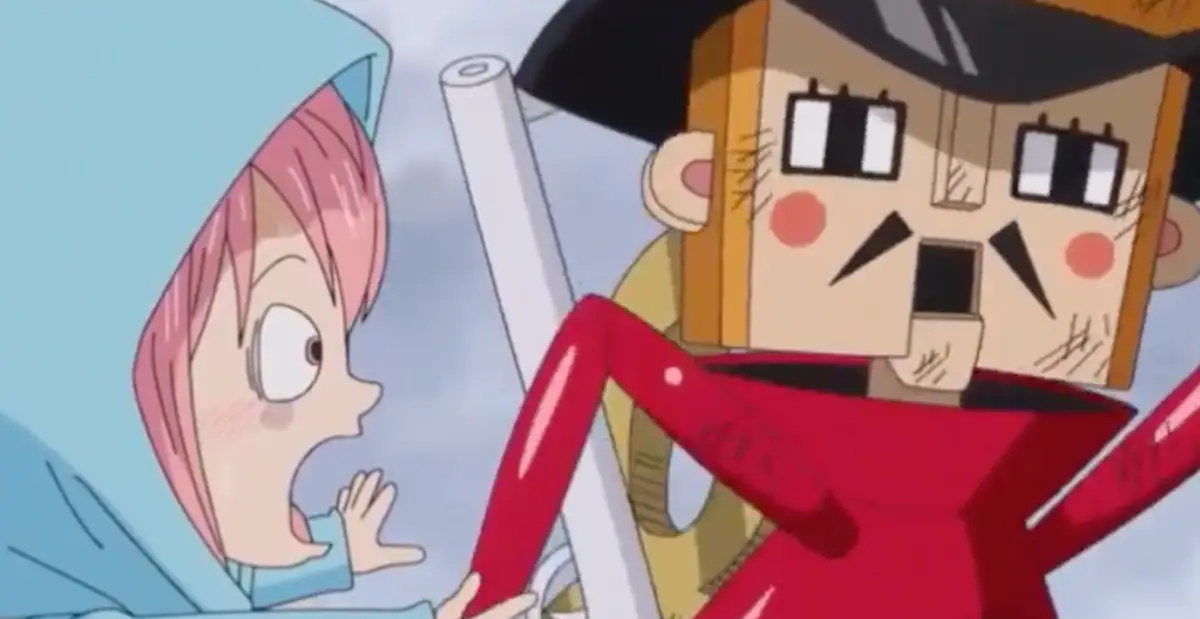
Once a national hero, Kyros is cursed into a toy soldier—history erased, name forgotten. He stands within arm’s reach of his daughter Rebecca, guards her in alleys, whispers advice she can’t place, and watches her fight for a father she can’t remember. He keeps protecting anyway.
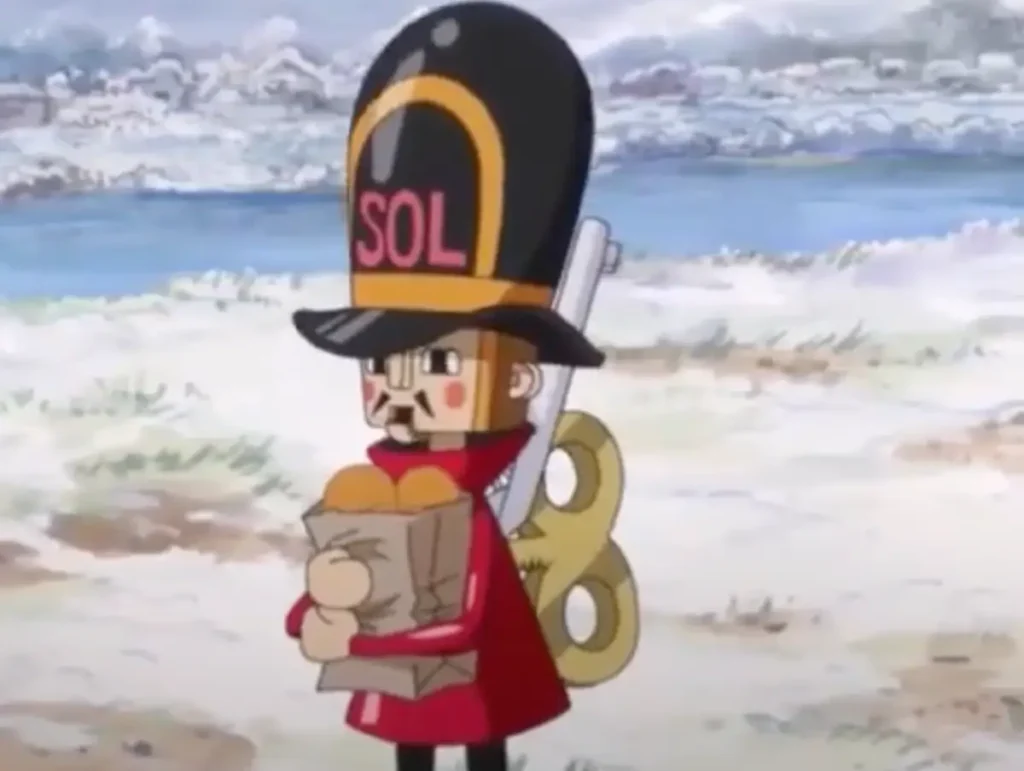
Why this flips the genre:
Most series do “tragic family” with loss you can mourn. Dressrosa does loss you can’t name. The pain isn’t just separation; it’s being present and invisible. That scene where Rebecca looks through him lands harder than any death flag—because the bond still exists, and only one of them can feel it.
The Night the Island Remembers — Curse Lift, Lives Return
When Sugar finally goes down, Dressrosa breathes. Toys snap back into human bodies. Faces in the crowd jolt with recognition—fathers, partners, friends—memories flooding in like a tidal wave. Former toys bow to the true king, identities restored, years of quiet suffering suddenly visible.
Why this flips the genre:
Most “liberation” climaxes celebrate beating the boss. Dressrosa’s catharsis is epistemic: the victory is that the truth exists again. It’s not just freedom from a tyrant; it’s freedom from a story that erased you.
What These Scenes Reveal (and Why This Is Darker Than It Looks)
- Oppression as aesthetics: The island’s color and music are the cover for human trafficking-by-magic.
- Power as narrative control: Doflamingo’s real weapon isn’t strings—it’s who gets to be remembered.
- Family as one-sided grief: Kyros/Rebecca shows a version of loss where only one person knows they’re grieving.
- Liberation as remembrance: Beating the villain matters, but making people real again matters more.
Genre comparison, straight up: In most shounen, you punch harder, break the prison, and go home. In Dressrosa, you have to unbreak reality: restore memories, return identities, and stitch families back together. That’s why the toy curse lingers long after the fireworks end—because beneath the carnival was a quiet apocalypse where lives didn’t just end; they were edited out.

- Vegeta’s Pride Was Never Arrogance — It Was the Fear of Being Forgotten - October 30, 2025
- When Whitebeard Died Smiling — The Definition of a Complete Life - October 28, 2025
- Nami’s “Help Me” — The Most Human Moment in One Piece - October 25, 2025