It took me years to realize that One Piece was never really about adventure. The laughter, the chaos, the endless seas — they were all distractions. What Oda actually wrote was a story about loss. Not the clean kind that comes with closure, but the kind that lingers — the kind that eats you alive slowly while the world keeps moving.
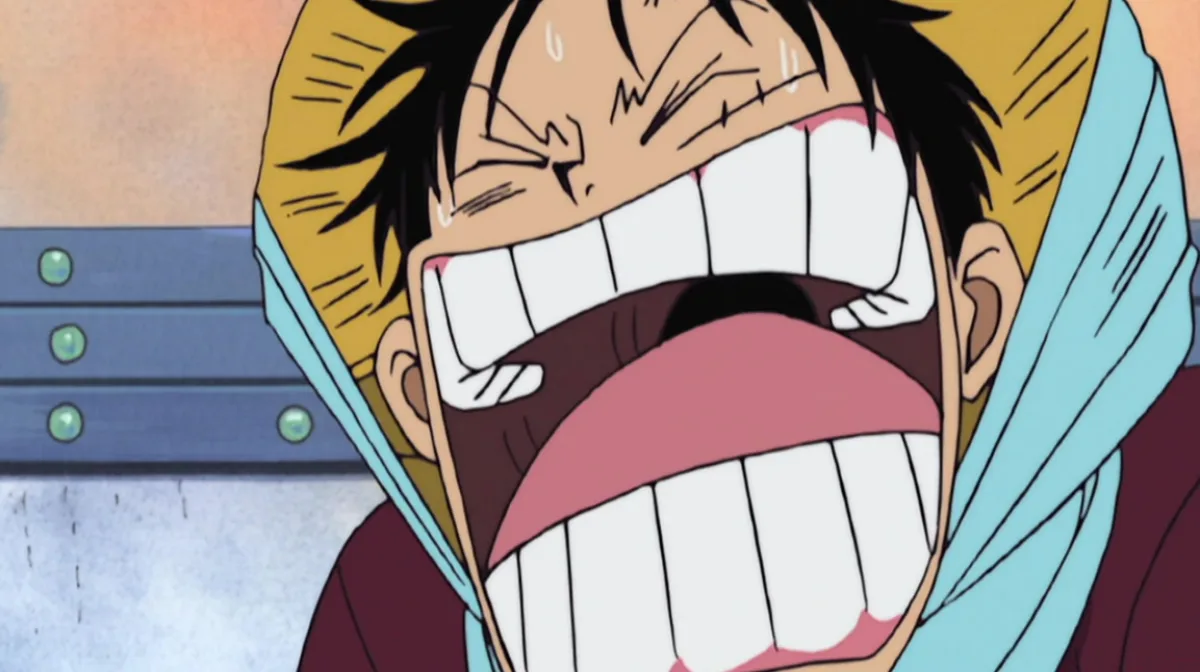
When I first watched Ace die, I didn’t cry because he was gone. I cried because Luffy broke. That sound — that primal scream, that desperate silence after the blood hit his hands — it didn’t feel like fiction anymore. It felt like watching a part of yourself collapse. For years we watched Luffy laugh, get punched, humiliated, crushed — but never defeated. Until that moment. Seeing him fall to his knees, empty-eyed and wordless, wasn’t about Ace dying. It was about the unbearable realization that love doesn’t always save the people you love.
And after that, the world of One Piece never felt the same.
Because once you’ve seen your protagonist lose everything, you start to notice all the smaller deaths that came before. The ones that didn’t have funerals. Like when they burned the Going Merry — a ship, sure, but also a memory. A childhood, maybe. I still can’t watch that scene without feeling a knot in my throat. Merry’s little “thank you” hits harder than most human goodbyes. It wasn’t just a ship apologizing; it was a reminder that even the things that carried us, that kept us safe, eventually give out. That moving forward means leaving someone — or something — behind.
That’s the cruelty of One Piece. Every moment of joy carries the shadow of goodbye.
Robin’s “I want to live” wasn’t a declaration. It was a scream. A plea from someone who had already buried her will to exist. You could feel every betrayal, every lonely night, every goodbye she never got to say echoing in that moment. I remember pausing the episode because I couldn’t breathe. Because for the first time, I realized One Piece isn’t about finding treasure — it’s about people who lost everything still daring to hope. Robin didn’t want adventure. She wanted a reason to stay alive.
And then there’s Brook. God, Brook. Everyone jokes about him being the comic relief, but that laughter is hollow if you’ve seen his past. Fifty years of silence. Fifty years of singing alone for ghosts. Imagine that — playing the same song every day just to keep a promise to someone who might not even remember you. Binks’ Sake isn’t a cheerful tune anymore once you know what it really means. It’s grief wrapped in melody. Brook is the walking embodiment of memory — proof that the past doesn’t die just because people do.
But the loss that still haunts me most isn’t death. It’s separation.
Sabaody. The crew being ripped apart in seconds — that still hurts. Watching Luffy scream as everyone vanished into the sky was the first time I understood despair in One Piece. It wasn’t about enemies or power levels or plot twists. It was about helplessness. The kind where you’re not even angry anymore because you’re too broken to fight. Luffy’s face in that moment — pure terror, guilt, disbelief — said everything. For once, there was no one left to protect him.
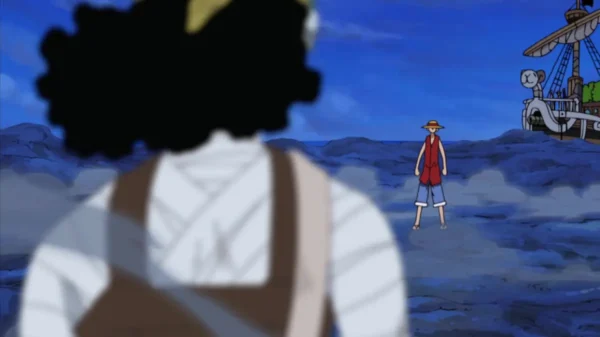
Even smaller moments — like when Luffy fought Usopp — cut deep for reasons that have nothing to do with battle. That fight wasn’t about pride or leadership. It was about fear. Usopp’s fear of being useless, Luffy’s fear of letting go. Two friends swinging at each other because they didn’t know how to say “I’m scared.” I couldn’t watch it as a fight. It felt like watching a friendship die, even if it didn’t.
Then there’s Sanji at Whole Cake Island. That’s the kind of pain you can’t punch your way out of. Watching him beat Luffy while crying inside — it’s the same feeling as losing someone to their own guilt. And Luffy refusing to fight back, saying “I can’t become Pirate King without you” — that wasn’t strategy. That was heartbreak. Because how do you lead when your heart refuses to move on without the people you love?
Even Law and Corazon’s story — that tiny, brutal slice of tragedy — fits the same pattern. It’s love twisted into sacrifice. A man smiling through blood just so the boy he saved wouldn’t have to hear him die. And that boy growing up to live with that silence echoing in his bones forever. There’s something cruelly honest about it — that saving someone doesn’t end the pain, it just transfers it.
Chopper’s story on Drum Island, with Hiriluk’s cherry blossoms, feels almost merciful in comparison — loss turned into beauty. That image of pink petals falling on snow while Chopper cries for a man who taught him how to hope — it’s the rare kind of grief that feels warm. It’s Oda reminding us that sometimes, loss leaves something behind.
And maybe that’s the thread connecting all of it — the people left behind. One Piece is a story about survivors. People who bury their dead, burn their ships, say goodbye, and still set sail the next morning. Every smile feels borrowed. Every feast feels like a way to hide the ghosts at the table.
People say One Piece is about dreams, freedom, adventure. And maybe it is. But to me, it’s about the cost of all that — the empty chairs, the unplayed songs, the promises whispered to no one. The crew laughs because they’ve all known what it means to lose. The laughter is defiance.
That’s why I can’t stop watching, even when it hurts. Because One Piece doesn’t promise happiness. It promises meaning. It promises that the people you’ve lost still sail with you — in your scars, your laughter, your dreams.
Maybe that’s what the One Piece really is. Not treasure. Not gold. Just the proof that everything you lost mattered.
And when the Straw Hats finally find it… I don’t think I’ll cry because they reached the end. I’ll cry because it means the journey — all that grief, all those goodbyes — is finally over.
And maybe I don’t want it to be.

- Vegeta’s Pride Was Never Arrogance — It Was the Fear of Being Forgotten - October 30, 2025
- When Whitebeard Died Smiling — The Definition of a Complete Life - October 28, 2025
- Nami’s “Help Me” — The Most Human Moment in One Piece - October 25, 2025