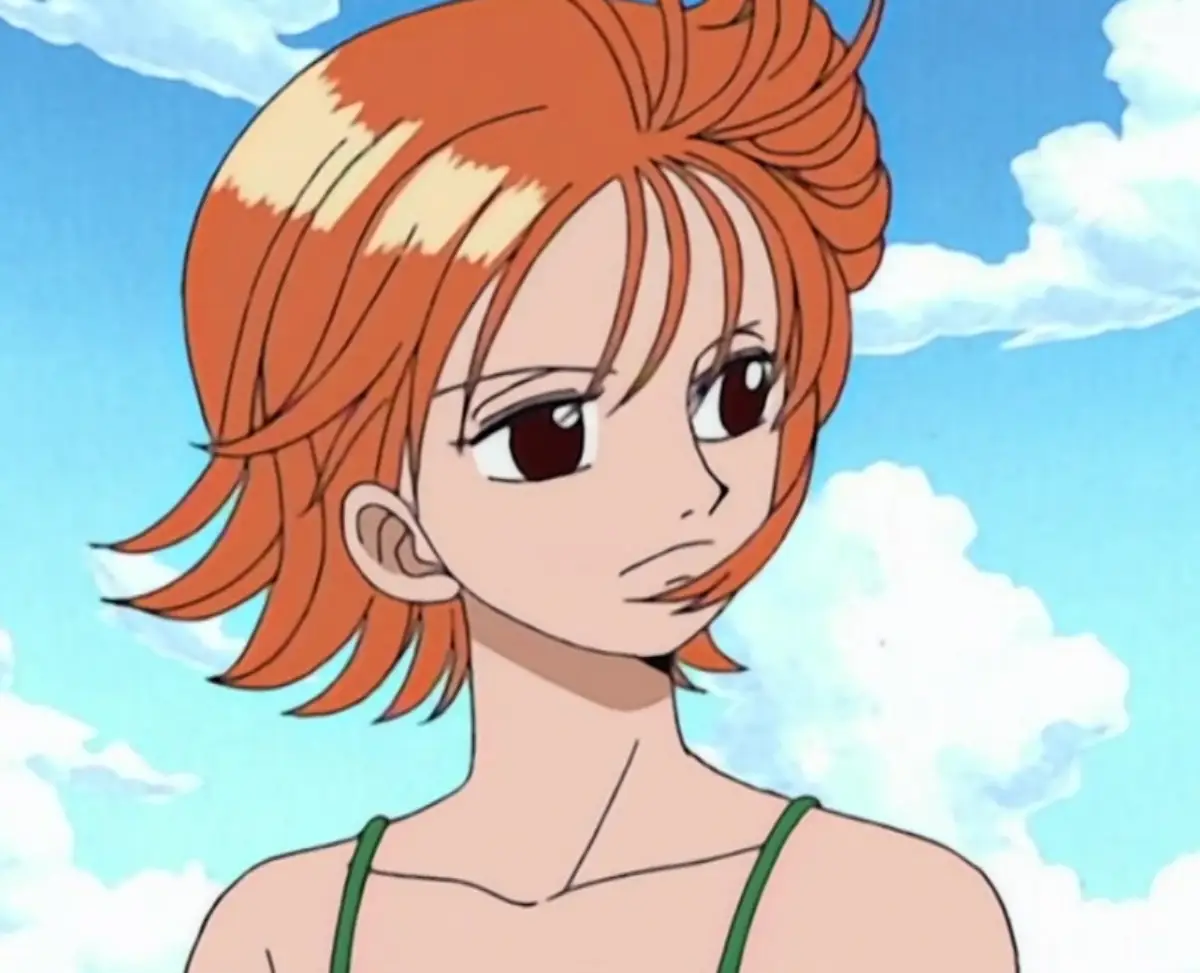
The thing about Nami’s backstory that most fans miss is how much darker it really is beneath the surface. On first watch, the Arlong Park arc looks like a simple setup: Nami wants money, she’s tied to a villain, and Luffy eventually frees her. But the reality is far heavier. Her story isn’t just about treasure—it’s about slavery, betrayal, trauma, and a child forced to carry the burden of an entire village.
The Tattoo Scene and Its Implications
The moment where Nami stabs her own tattoo is one of the rawest in the series. The implication here is that the mark itself isn’t just a symbol of Arlong—it represents years of pain and humiliation burned into her identity. Her act of stabbing it isn’t rebellion for show, it’s desperation to cut ties with a past she can’t endure anymore.
When she finally turns to Luffy and says “Help me,” the significance is clear: this is the point where she can no longer pretend to survive alone. Her independence shatters, and her vulnerability defines the weight of the story.
Bell-mère’s Death and Generational Trauma
Bell-mère’s death is not framed as a glorious sacrifice, but as a brutal execution. Her last words—“These are my daughters”—are a refusal to deny family even under threat. The implication is that Nami didn’t just lose a parent that day. She inherited a guilt and responsibility that shaped every decision afterwards.
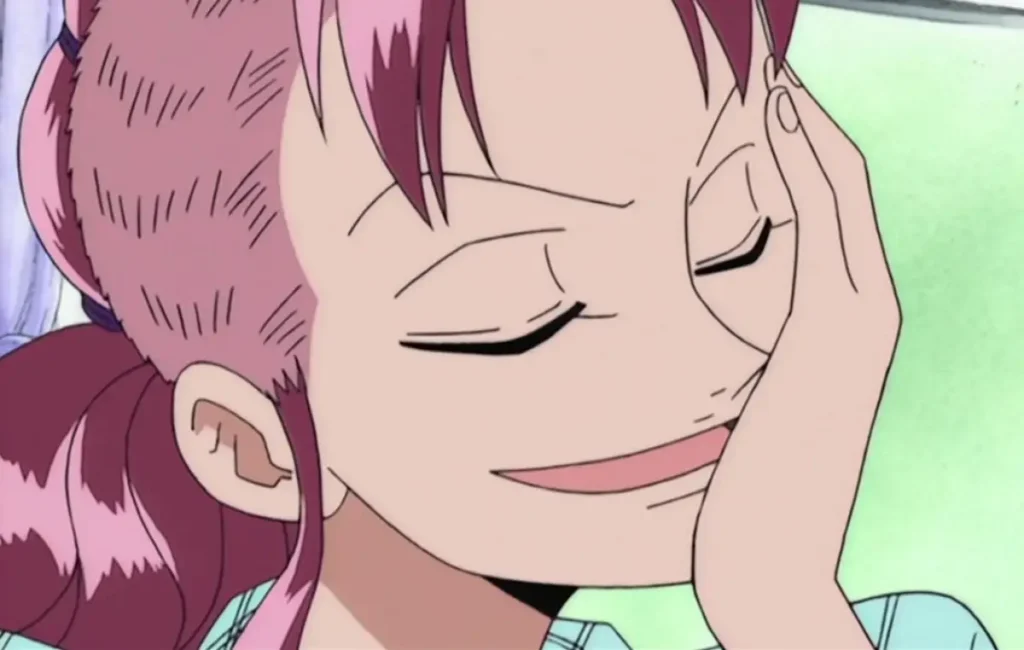
Every coin she collected, every mask of confidence she wore, came directly from this trauma. What might appear as Nami’s greed later in the story is actually survival built on the memory of Bell-mère’s choice.
Enslavement Under Arlong
Arlong Park often gets overshadowed by later arcs like Marineford or Wano, but its setup is one of the most disturbing in the entire series. Nami wasn’t simply “working” for Arlong—she was enslaved.
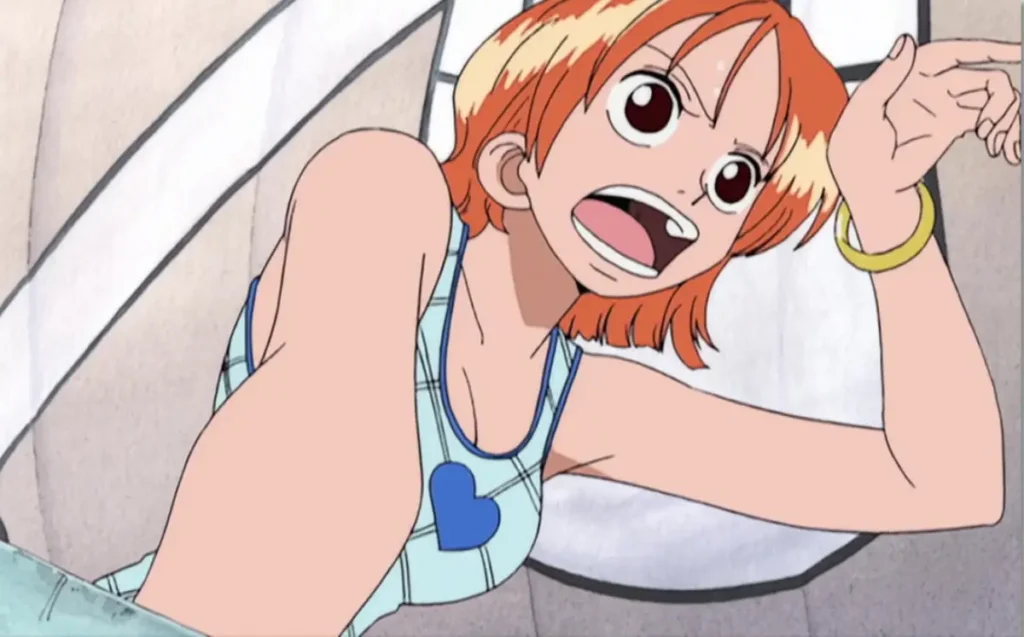
The darker element here is the perception of betrayal. Her entire village viewed her as a traitor, unaware she was sacrificing herself to keep them alive. The implication is clear: she was a child forced into an impossible moral equation. Either give up her freedom and endure humiliation, or watch her loved ones die.
Personality as Armor
Nami’s sharp, independent personality takes on new meaning when viewed through the lens of her backstory. What looks like sass and stubbornness is actually armor. Her mistrust and tendency to act tough were survival strategies—years of hiding emotions and building walls just to function under Arlong’s control.
Her eventual breakdown with Luffy represents more than an emotional release. The implication here is that the walls she built weren’t strength, but scars that needed to be confronted for her to move forward.
Why It Hits Harder Than Other Anime Backstories
Other shonen series also feature tragic histories—Naruto’s Pain, My Hero Academia’s Shigaraki—but Nami’s hits differently because of how grounded it is. There are no powers or supernatural twists. It’s simply a child crushed by tyranny, paying in blood and money to buy survival.
The arc is closer in spirit to Attack on Titan’s human cruelty than to typical shonen flashbacks. Arlong isn’t a godlike villain. He’s a powerful oppressor using strength to destroy a child’s life. That ordinariness makes him far more unsettling.
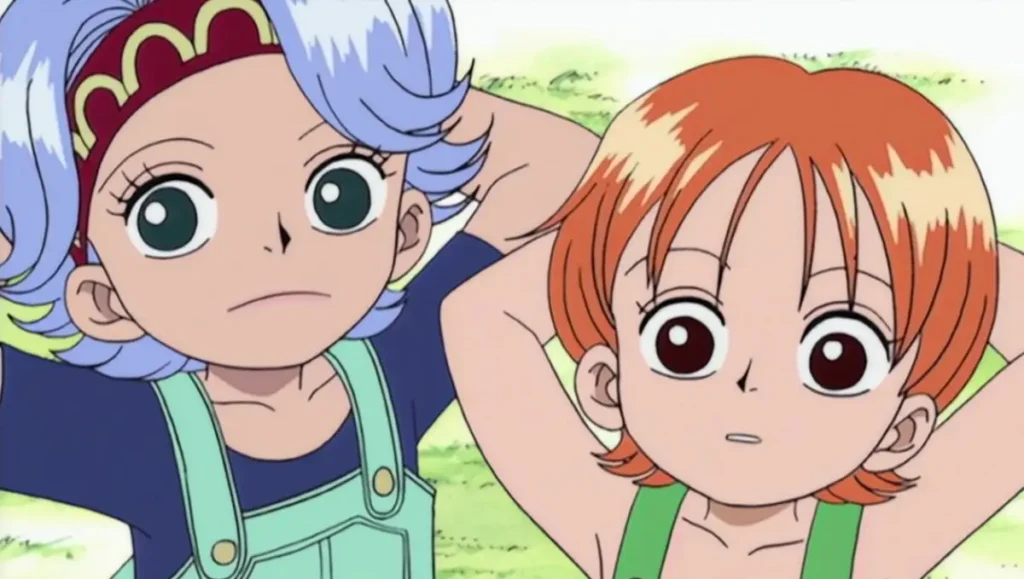
Why Fans Still Revisit It
Rewatchers consistently remark that Arlong Park resonates more deeply with age. The tattoo scene, Bell-mère’s death, and the village’s rejection of Nami are not moments that fade—they stay embedded in memory because of their human weight.
As one fan put it: “This hit way harder than I expected from One Piece. I thought it was a fun pirate show, but Nami’s story made me realize how deep and dark it gets.”
What This Means for One Piece as a Whole
Nami’s backstory demonstrates that One Piece is not simply about adventure and humor—it is a narrative unafraid to confront the darker costs of survival. Her arc shows that strength often grows out of scars, and that pain and trauma can shape identity just as much as joy and freedom.
Understanding Nami’s story reframes how we view the series. It proves that beneath the comedy and the wild fights lies a core truth: One Piece is just as much about human suffering and resilience as it is about chasing dreams on the sea.

- Vegeta’s Pride Was Never Arrogance — It Was the Fear of Being Forgotten - October 30, 2025
- When Whitebeard Died Smiling — The Definition of a Complete Life - October 28, 2025
- Nami’s “Help Me” — The Most Human Moment in One Piece - October 25, 2025