A cold take on One Piece: Some tragic backstories don’t forge strength—they hollow characters out, leaving them as functional ghosts performing normalcy while part of them remains forever trapped in their past trauma.
The Weight of Rewatching After Wano
Returning to One Piece after the Wano arc reveals something unsettling about certain “sad but inspiring” backstories. What once felt like triumphant origin stories now carry a heavier psychological weight. These aren’t just tragic pasts that characters overcome—they’re foundational traumas that continue echoing through every interaction, every smile, every moment of apparent healing.
The realization hits differently on rewatch: some characters never truly escape their backstories. They simply learn to function around the hollow spaces left behind.
Nico Robin: When Survival Mode Becomes Identity
The Ohara Curse
Robin’s tragedy extends far beyond the burning of Ohara. It’s the systematic destruction of a child’s ability to trust the world. Professor Clover shot mid-sentence. Saul’s frozen smile. Aokiji telling an eight-year-old to “live on” alone. This isn’t character development—it’s psychological rewiring.
The Enies Lobby Illusion
“I want to live!” remains one of One Piece’s most powerful moments, but rewatching reveals a uncomfortable truth: Robin isn’t suddenly healed. That desperate cry is a brief malfunction in a survival system that’s been running for decades.
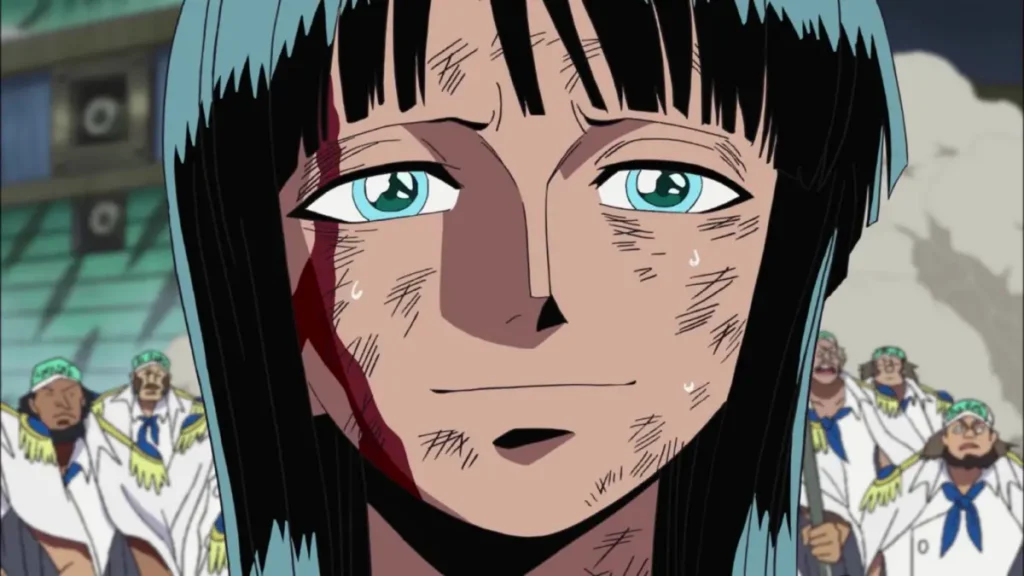
Even surrounded by the Straw Hats’ love, Robin’s body language tells the real story. She calculates exits. She hoards information. She mothers from a distance. Her default setting remains “ready to run.”
The Subtle Hollow
Robin’s love for her crew is genuine, but part of her still keeps a mental go-bag packed. The “Devil Child” echo never fully fades—it just gets quieter. Wano’s Demonio Fleur moment shows her strength, but notice how quickly she returns to that calm, calculating baseline. Because for Robin, survival isn’t just a skill—it’s still her core operating system.
Trafalgar Law: Operating on His Own Grief
The Flevance Void
Flevance wasn’t a tragic backstory—it was a complete erasure of childhood. Law didn’t just lose his family; he watched an entire city rot from the inside out. White Lead Disease turned his world into a medical horror where love couldn’t cure anything.
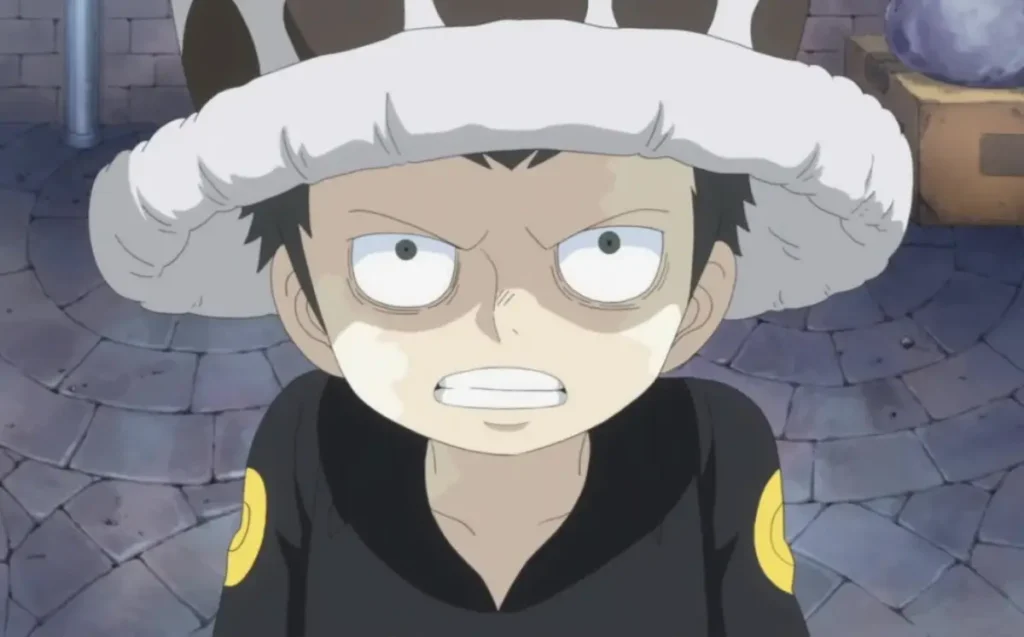
Corazon provided a brief moment of warmth in that void, then died for it. Law has been trying to preserve that single moment of genuine care ever since, like keeping one healthy organ in a body that’s already gone cold.
Death Wish in Designer Clothes
Dressrosa reveals Law’s true psychological state. His willingness to die dragging Doflamingo down isn’t noble sacrifice—it’s suicidal ideation wearing tactical planning. Even his victories feel transactional: alliance with Luffy (useful), revenge complete (good), inner peace (still not found).
Law learned medicine to operate on his own grief, but some wounds can’t be closed. His eyes still hold that thousand-yard stare of someone who keeps one foot in a place where nothing grows.
Boa Hancock: The Crown as Armor
Performance Art Confidence
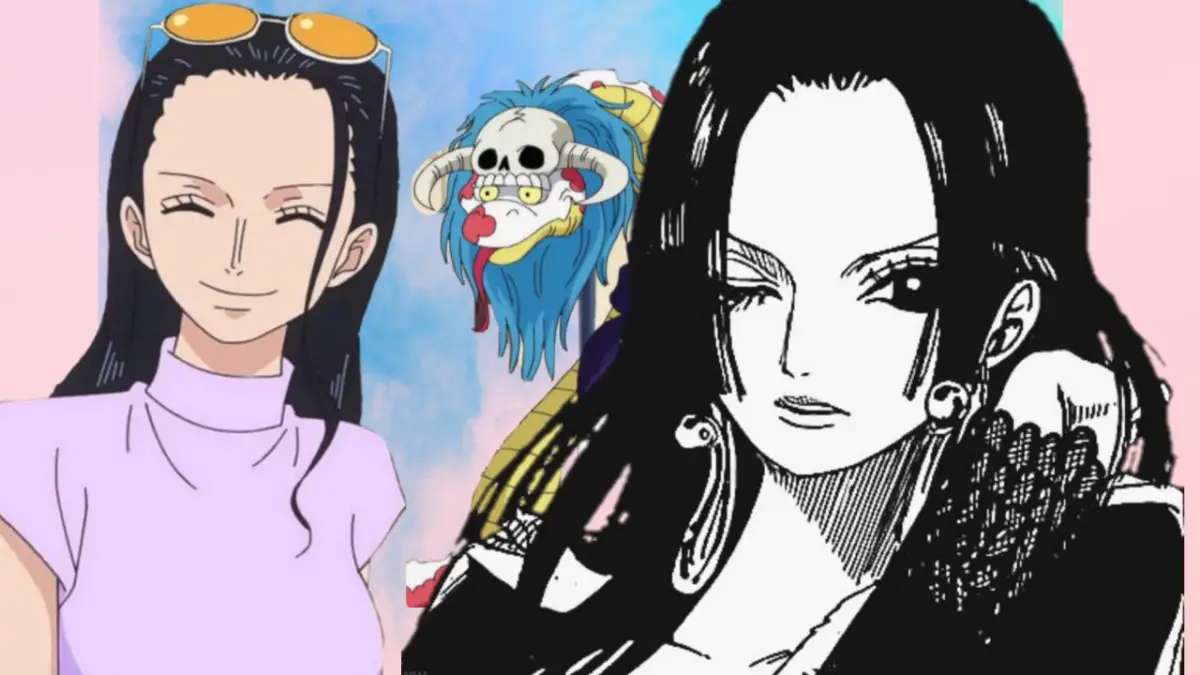
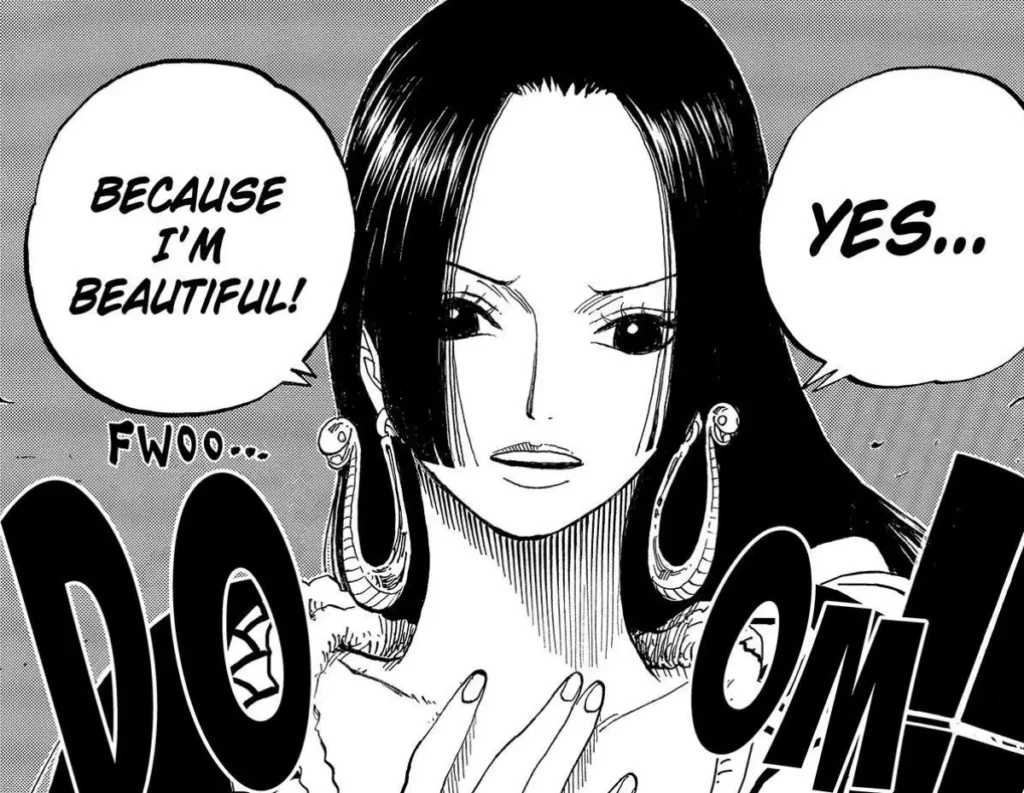
Hancock’s overwhelming confidence is elaborate theater. The “all men fall for me” routine becomes tragic when you remember it’s built on the foundation of childhood sexual slavery. The Celestial Dragon brand burned shame into her back like a barcode, and she’s been performing strength ever since.
The Amazon Lily Reveal
The bath scene revelation—that voice drop, that vulnerability—hits differently on rewatch. Luffy doesn’t stare at her scars, so she allows herself to feel again. But notice the precision: she doesn’t trust the world. She trusts Luffy. There’s a crucial difference.
Every imperial smirk at Navy ships carries the shadow of those chains. Hancock didn’t overcome her trauma—she built a palace around it and called the performance “confidence.”
Brook: The Punchline Hiding the Pain
Fifty Years of Nothing
Brook’s constant jokes mask an impossible question: what does half a century of complete isolation do to a soul? The Rumbar Pirates’ deaths. The tone dial playing their final song on repeat. The same empty ship corridors until even the stars forget your name.
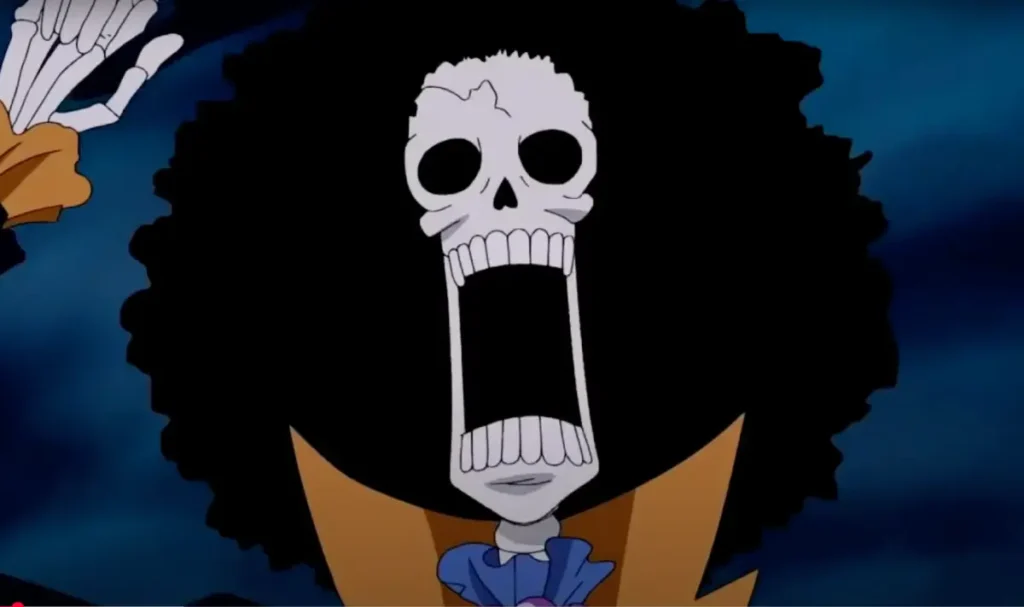
Thriller Bark plays it for comedy (“yohoho!”), but watch the quiet frames. The camera lingers on emptiness—and that emptiness is the character.
The Weightless Survivor
Even Brook’s heroic moments in Whole Cake Island feel emotionally thin. He’s charming, brave, and competent, but there’s a lightness to him—as if he’s afraid to put weight on any joy because it might collapse.
Sometimes the hollow doesn’t scream. Sometimes it’s a perfect smile with nobody home.
The Persistent Echo
One Piece is fundamentally about hope, healing, and found family. These themes remain true and powerful. But healing isn’t amnesia, and some backstories don’t let go—they just learn to whisper instead of scream.
Robin can laugh. Law can strategize. Hancock can command. Brook can sing. The hollow still hums underneath it all, shaping every interaction, every decision, every moment of apparent normalcy.
The Rewatch Revelation
These characters work precisely because they feel real in their brokenness. They function, they contribute, they even find moments of genuine joy—but they’re forever marked by experiences that rewired their fundamental relationship with trust, safety, and connection.
On first viewing, we see their strength. On rewatch, we recognize the cost.
Discussion Questions:
- Does Doflamingo belong on this list, or is he a different type of broken?
- How does Sanji’s starvation trauma compare—does it create hollow or code?
- Which rewatch scene hit you harder the second time around?
What other One Piece characters do you think never truly escaped their past? Share your thoughts on characters who learned to function around their trauma rather than through it.

- Vegeta’s Pride Was Never Arrogance — It Was the Fear of Being Forgotten - October 30, 2025
- When Whitebeard Died Smiling — The Definition of a Complete Life - October 28, 2025
- Nami’s “Help Me” — The Most Human Moment in One Piece - October 25, 2025